We have just finished our first experience for a long time with a 4th year student, Tea Williams. We thought the experience worth sharing as a good example of a positive experience of undergraduate exposure to rural health albeit a short one.
The Auckland University in New Zealand has just reinstituted a 2 week rural GP placement for 4th year medical students. The curriculum goals are broad – their experience is supposed to give them an idea about the issues faced by health care providers and patients living in rural communities.
Our goal was to expose him to as much of the rural community here as we could to get a feel for the place a rural primary care centre takes in the provision of health care to a community.
His first day was aimed at understanding the patient experience – he shadowed a patient from the waiting room through the consultation, sat with our reception staff, and accompanied a patient from the treatment room to the Whakatane hospital by ambulance. Later in the week he saw a patient on a home visit, admitted to Opotiki hospital and after investigation and management of her hip pain, returned to her home.
We also aimed to expose him to the wider primary care team and arranged sessions with the local optometrist, pharmacist, district nurses, Whanau Ora providers, ambulance crew, and physiotherapist – he accompanied them on home visits and on a day long journey up the East Cape delivering medicines.
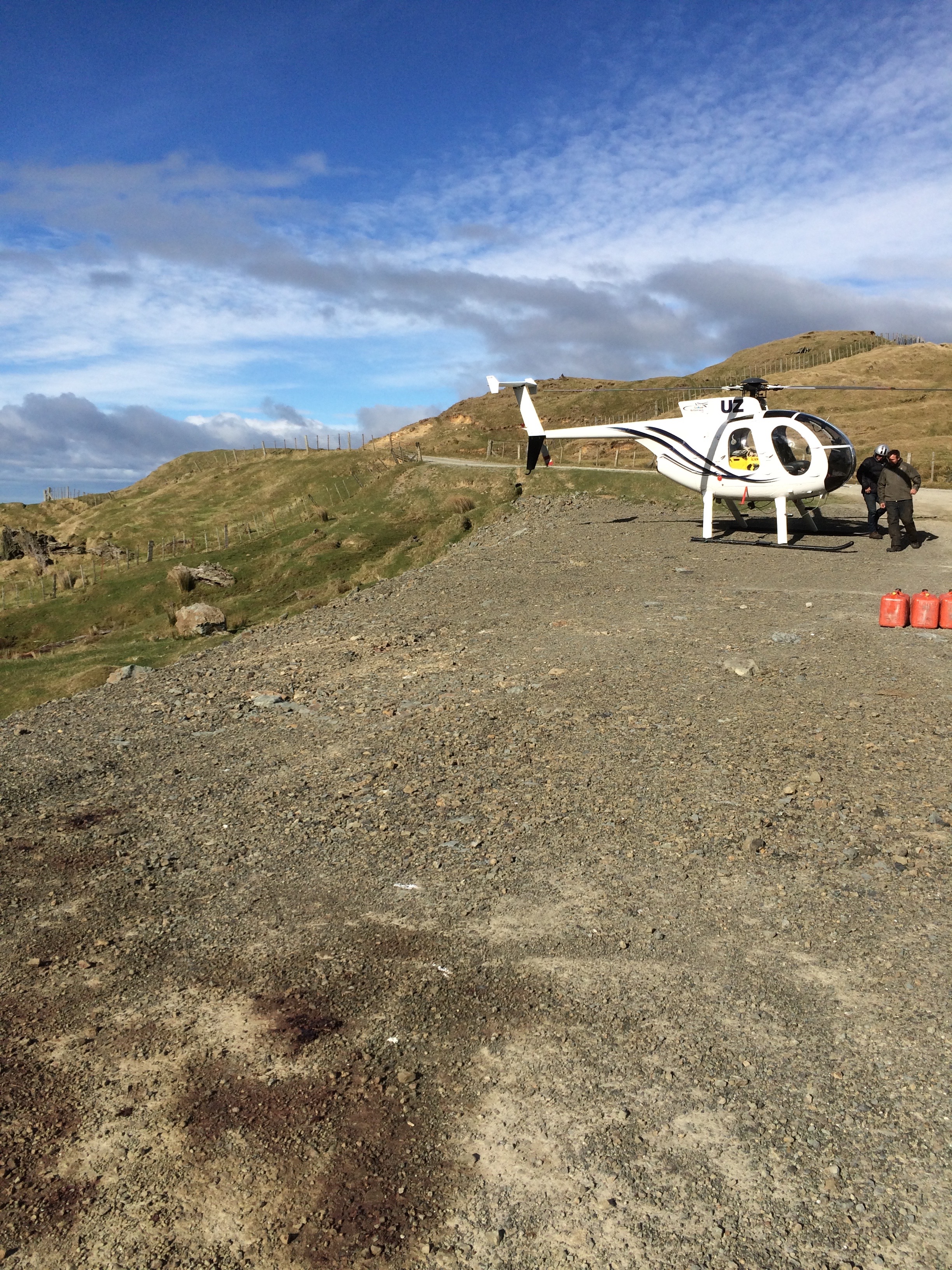
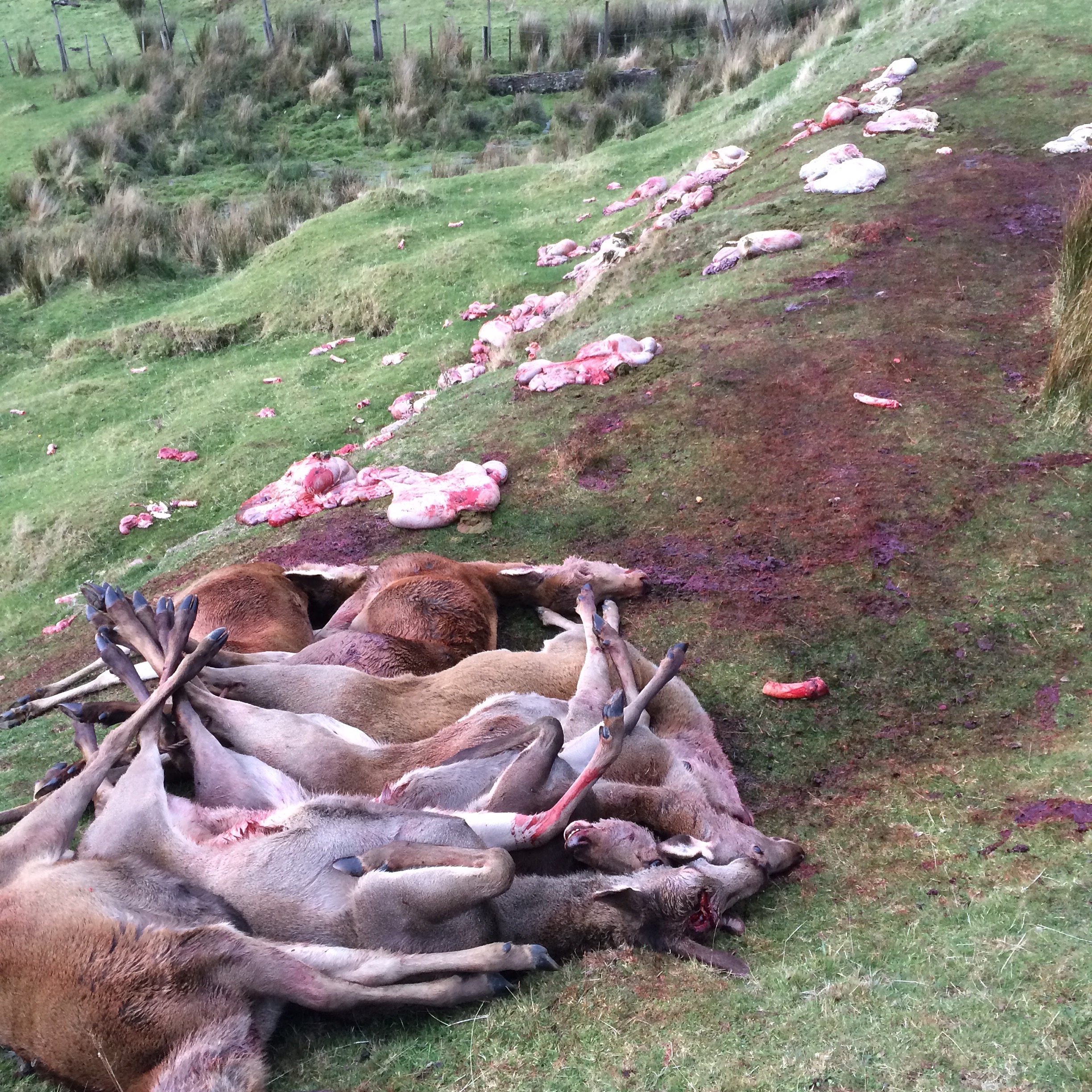
We wanted him too understand the risks and challenges of a lived experience in a rural community and arranged for him to spend a day with the Vet – he helped castrate several horses apparently, and he was also taken by truck and helicopter into the remote East Cape bush where he helped with “deer retrieval” – he can now gut a deer in about 5 minutes he tells me – a skill he never thought he would learn in his life.
We need to thank the various health providers and community members involved who were very willing to share their time freely to support Tea and us.
They gave Tea a unique exposure to rural health issues that we hope he will reflect on in whatever future career role he has in medicine.
We think this broad experience and open ended curriculum for 4th year students has a lot to commend it to others – a positive experience of a rural community goes a long way to opening the mind of young professionals to the idea of living and working rurally at some future point in their career.
Perhaps Tea will maintain and improve his deer gutting skills – you never know !
There follows a copy of his reflections on the experience and some photographs he took along the way…
Jo Scott-Jones
Reflections on the 2 week 4th Year Rural Placement at Church Street Surgery, Opotiki.
By Tea Williams. June 2015.
The mention of rural health tends to evoke the extremes of opinion amongst the modern medical student. On the one hand there are those sure-set on a career practicing as far as possible from the big cities and on the other the medical student who shivers at the thought of leaving the comforts of the urban metropolis.
Admittedly my initial thoughts on rural health leaned towards the latter. Being a born-and-bred Auckland boy I was unsure what to expect coming in to my rural general practice attachment in Opotiki. Would I have to milk a cow before indulging in my morning flat white? Did I need to review my notes on leprosy? Would there by WIFI?
Prior to this placement I was not naïve to the unique challenges around the provision of primary health care in a rural setting. We learn in medical school about geographic isolation and limited access to resources and services, but for me the real implications of these issues were not understood until undertaking this placement.
In my first taste of rural health I can gladly say that I gained valuable insight into what rural health means for me and changed the way I will practice medicine and interact with patients in the future, especially with regard to my three lessons in rural health.
First lesson in rural heath: Isolation matters
The extent of geographic isolation faced by rural communities could not have been more evident than during my trip down the East coast with a pharmacist, delivering medicines to family homes, dairies and service stations as far as Cape Runaway. Coming from the city it was quite a foreign concept that one may have to drive two hours to a GP clinic for a consult or a repeat prescription and I really gained an appreciation for what isolation means in terms of healthcare provision.
Similarly, on a trip 3000ft up into the mountains on deer retrieval I saw first-hand how occupational hazards in a rural environment differ from those of the city. The office related back-pain and osteoarthritis of the typist now gave way to the bovine tuberculosis of the hunter and the compound fracture of the helicopter marksman.
Second lesson in rural health: The GP is not the only healthcare provider
Coming from the larger urban hospitals it is very easy to lose track of where medicine sits in the spectrum of healthcare. For me it was vital to see how the GP fits into the wider community and how each facet of healthcare works together to provide a comprehensive primary health service.
I initially thought the attachment would consist of me sitting in on consultations, taking a blood pressure here and a flu jab there, perhaps a ride in an ambulance if I was lucky, fortunately this was not the case. Whether it be sanding down the excess skin of hyperkeratosis with the podiatrist, diagnosing keratoconus with the optometrist, or discussing sexual health and rheumatic fever prevention with the school nurse, I gained valuable experience in all the cogs of the rural health machine.
With the growing burden of chronic disease and the ageing population I think this integrated model of primary health care is essential.
Third lesson in rural health: Innovation is key to success
It became apparent to me on this placement that the unique health challenges faced in a rural community merit equally unique and innovative solutions. Telehealth is a programme used at the practice whereby on-call rural doctors can see and talk to their patients in real-time over video. For the rural communities this means improved after hour’s access to clinicians. Furthermore the GP’s at the practice are involved in the PRIME (Primary Response In Medical Emergency), which involves accompanying the ambulance services to assist in emergency situations. I was fortunate enough to assist in an emergency call-out during my attachment and witness the process from initial call-out through to booking up a follow-up appointment.
The whole my short stint in rural health proved to be a serendipitous one. The myriad of opportunities presented to me in Opotiki were one of a kind and the empirical knowledge gained along the way was priceless and will serve to make me a better doctor when 2017 finally rolls around.
I would like to thank Jo and Lailani and fantastic team of nurses and administration staff at Church Street Surgery for their hospitality and for providing me with the invaluable experiences along the way. The patients of Opotiki are in great hands with such a dedicated, innovative and progressive practice.
Tea Williams


 Don't Shoot..