Changes in Infectious Disease Legislation NZ


Notifiable Diseases and Changes to the legislation since January 2017.

The MOH want GPs in New Zealand to be aware of the availability of updated guidance document on the management of infectious diseases under the Health Act.

It can be accessed from that website at:

http://www.health.govt.nz/system/files/documents/publications/guidance-infectious-disease-management-under-health-act-1956-feb17.pdf.

They recommend that all of your staff who work with infectious diseases and the people who have them are aware of the guidance which is aimed at public health officials and its all interesting but the areas on notification and contact tracing are definitely worth a look for General Practices.

The most important thing for GPs  to be aware of what is happening locally – hopefully you get this information through your supportive and helpful PHO but if there is an outbreak of something your local public health team may ask for more information from your practice.

One question to ask yourself would be :

“Could this practice report easily on who the patients were who had flu like symptoms or gastroenteritis in the past 2 weeks?”

If not – it may be time to think about how you are classifying your records.

Since January 2017 New Zealand legislation allows for FORMAL contract tracing to be implemented for any disease at the discretion of the medical officers of health in a region.

This is most likely to occur when the consequences of a notifiable infection are comparatively severe – such as meningococcal disease, tuberculosis and HIV and when people have had contact with a condition when they have  a higher risk of complications, such as young children, pregnant women, and those with decreased immunity or comorbidities.

However there may be circumstances in which formal contact tracing is appropriate for ‘other infectious diseases’ that are not notifiable (eg, a serious chlamydia outbreak).

The list of notifiable diseases is under constant review and the latest update is available from the MOH website :

http://www.health.govt.nz/our-work/diseases-and-conditions/notifiable-diseases

There are no new suprises here but it’s worth reminding yourself that for example gastroenteritis is notifiable where there is a suspected common source or from a person in a high risk category (for example, a food handler, an early childhood service worker) or single cases of chemical, bacterial, or toxic food poisoning such as botulism, toxic shellfish poisoning (any type) and disease caused by verotoxin or Shiga toxin- producing Escherichia coli.

Be careful out there.

Jo Scott-Jones

Treating Diabetes -GLP-1 agonists

A recent “Tools for Practice” from the fantastic people at the Alberta College of Family Physicians  asks the clinical question “Do glucagon like peptide 1 analogues ( GLP-1 ) improve patient orientated outcomes in type 2 diabetes?”

Diabetes is a key issue for primary care in New Zealand as it is all over the world and anything we can do to reduce the complications is causes has to be looked at seriously.

GPL-1 were apparently extracted from the saliva of Gila Monsters – lizards that eat once a month and need to rapidly increase their insulin production after eating. Administration in humans does the same thing – increasing endogenous insulin and suppressing glucagon. They also are reported to suppress appetite and are associated with a loss of weight of 1- 1.5 kg.

They cause nausea, vomiting and GI side effects and may be associated with pancreatitis.

The Tools for Practice article (albeit for other medications) show numbers needed to treat of 44-53 to show a minimal reduction in CVS risk of 1.3 – 1.6% – and a Number needed to harm of 16-33 for GI irritation, 112 for hypoglycaemia, 83 for retinopathy and gallbladder disease.

The article reviews the data on 2 GPL-1 that are not available here in this country, the only one that is available – Exanatide – is not subsidised – and a review in 2013 from the Best Practice Advisory Centre  and the Medsafe data sheet does not identify any significant reduction in cardiovascular disease outcomes but does find it reduces HBA1c% by around 10 mmol/l – and that it may be a useful 3rd line medication to consider adding to Metformin and a Sulphonyurea.

As the Canadians conclude “clinicians should prioritize pateint -orientated outcomes (like CVD) rather than sugars and microalbuminuria, and meta-analysis of small short trials can be misleading compared to large RCTs.”

I also think I would struggle to find a patient prepared to inject themselves twice a day and to pay for the privilege in my practice.

Conclusion – lots of limitations but something to be aware of.

Dr Jo Scott-Jones


What a wheeze.

The topic of “wheeze” can get very complicated with different approaches needed for adults and children, and different conditions overlapping and changing as a person’s life progresses.

This article links to several resources available and hopefully helps GPs manage the muddle.

Asthma is an illness that is frequently coded in encounters by GPs – and guidelines are pretty straightforward – but this is an area where practices may need to decide on a consistent approach to care.

Under the guidance of the MOH and the new “system level milestones” plan the combined DHBs of Midlands have challenged GPs in the region to reduce admissions for children aged 0-4 years and they have put a particular focus on respiratory disease.

One of our problems looking at the topic is the difference between “wheeze” – the polyphonic high pitched expiratory noise made by restricted airways,  “asthma” the hyperresonsiveness of airways characterised by constriction of smooth muscle, and inflammation and COPD the decrease in airway patency that develops over time and linked to permanent reduction in lung function.

It’s important to remember, the majority of children who wheeze in the first few years of life will “grow out” of the condition.

And interesting to note that around 40% of people with COPD also have asthma.

Prevalence: Let’s look at asthma….  

The latest NZ Health Survey tells us that 11% of NZ’ers and 15% of Maori aged 15 yrs or over are using asthma medications.

asthma-update

Issues: 


The Health Quality and Safety Commission tell us that in adults:

  • 82 percent people admitted with asthma did not receive a paid for influenza vaccine in the year after admission. People with asthma should have an annual flu vaccine.
  • Over a third of people admitted with asthma were not regularly given asthma controller inhalers (brown, inhaled corticosteroid) in the year after their admission.
  • In the community,  30 percent of asthmatics regularly dispensed relievers were not regularly dispensed a controller.
  • Admissions for Pacific people and Māori are proportionally higher at all ages than those identifying as European or Other.

They also note young children are much more likely to be admitted to hospital for “asthma” than older children (10 – 14 years) and adults.

HSQC illustrate significant variation from one DHB to another – for example across 4 Midlands DHBs the rate of admissions of children aged 0-4 with asthma or wheeze is shown below:


asthma-variation

Why do some DHBs have a lower or higher rate than the national mean ? Does this reflect differences in population or are there other factors?

What can be done to reduce admission to hospital / ED attendance for children with wheeze?


DHB variation: 

These DHBs do have some differences in their population make up – but does this explain anything? Is there something special about Lakes that mean the rates of admission is higher? Is it a significant difference?

Is it an environmental issue ? Does it relate to access to services or a different burden of illness?

We don’t know if this something in our control as GPs but it is interesting to note and worth thinking about.

Why do people take their children to ED with wheeze? 


Studies suggest that in total only around 11% of use of ED is “inappropriate” .

Preventing patients self-referring with low urgency problems that are unlikely to require admission and are more suitable for other services, such as primary care, telephone advice helplines or pharmacy is a health promotion activity best targeted at parents of young children and at older youths/young adults.

The issues are greatest during weekends and bank holidays and service provision focusing on access to primary care and having urgent care services in the most deprived communities would have the most benefit as would the improvement of parental confidence. 

Parents of children with acute breathing difficulties need those children assessed – and if we are going to have an impact we are either going to need to provide alternative care in the community away from ED that patients will access, or we need to reduce the number of children with respiratory problems.

Preventing the development of asthma itself is in the too hard basket  and until we really understand the causes issues like the “hygiene hypothesis” and prenatal allergen exposure will remain in a dusty corner of the kete.

Exclusive breast feeding in the first few months after birth is associated with a reduction in incidence of asthma, and we do know there is an increase in wheezing illness in children on whole cow’s milk and soy based milk products.

Exposure to tobacco smoke pre and post-natally is associated  with increased wheezing illness in childhood so our efforts to reduce smoking are important.

The key for GPs is going to be in the effective use of treatment for wheeze in children.

As a foundation we all need to develop and maintain good communication with families so that we can provide good quality education and improve concurrence with evidence based advice.

We need to see parental education as a key part of our role as GPs – teaching people what to do when they are worried and showing them what they really need to worry about, and what they don’t need to worry about.

We then need to be there for our patients –  if we cannot provide a 24 hr a day service ourselves we need to show our patients how to access helplines and after hours services that are appropriate to their needs.

The next building block is to be actively engaged in whatever prevention actions that we know will help.

We can help identify and reduce exposure to risk factors – allergens and pollutants both indoor and outdoor, identifying the rare child with food allergy, avoiding using aspirin and NSAIDS, and help weight control.

We can provide effective treatment of rhinitis, sinusitis, and nasal polyps  – this all helps reduce “wheeze” episodes in children.

We forget how important immunisation is sometimes – because we have acheived such a high uptake in our communities – but recent upsurges in pertussis remind us of how important it is that we keep working on this.

Finally we need to provide the best treatment possible.

For younger children the Best Practice Advisory Center tell us that not all that wheezes is asthma in children and their pragmatic approach to symptom management and prevention is great advice.

For older children we need to assess, treat and monitor asthma carefully.

We need to give patients an easy way to assess their own asthma control – using simple questionnaires (even though it is Pharma supported the Asthma Control Test is a good one) or for those capable of using them  PEFR guidelines .

We need to take an evidence based and comprehensive approach to managing asthma – stepping up if symptoms are worsening, reviewing and intervening effectively after an exacerbation, and stepping down if appropriate.

Where do you find the evidence to help you decide what to do ?  

Health Navigator is a great NZ resource to review with great information for patients and professionals – they have a great series of videos talking about how to use inhaler’s properly and what can trigger asthma for patients to view.

Internationally the National Institute for Health and Care  Excellence ( NICE )  gives a detailed and up to date evidence and management guidance around a range of conditions.

Have a look at their pathway on bronchiolitis in children – those of you familiar with “maps” will recognise the algorithm based decision support tool, the layout and windows here are very user friendly.

Any review of guidelines is worth tempering with a health dose of skepticism from the Therapeutics Education Collaboration  if you don’t link to their podcasts and look at the website regularly already make it an early “go to” when you are looking for an update on clinical issues.

The “search” facility doesn’t pull up a lot on childhood wheeze but there’s a bit on asthma and they do link to this interesting COPD tool that shows you your “lung age.”

They also link to Tools for Practice which is another great #FOAM4GP resource that shares the Evidence Based Medicine expertise of the Alberta College of Family Practice internationally.

Combining a scan of all these sites should give you good answers to clinical questions with the latest and best evidence available for example –

In asthmatics, LABA should not be used without inhaled steroids. LABAs increase serious adverse events when used alone, but not when combined with an inhaled steroid (at least in patients >12 years-old). The evidence for benefit of adding in a LABA is very small which is why they are best added in to patients who have significant symptoms despite other therapy.

LABA monotherapy does not increase adverse events in COPD patients  and statistically significantly reduces the risk of COPD exacerbations requiring hospitalization (NNT=56)


Unanswered questions :

What would be the impact of using a regular ICS on admission to hospital / ED attendance for someone with poorly controlled asthma? 

Studies suggest this might lead to a 55% reduction in severe exacerbations of asthma.

What would be the impact of flu vaccination on admission to hospital / ED attendence for people with asthma or COPD? 

There is doubt about whether or not flu vaccine helps to reduce asthma exacerbations, but the benefits of flu vaccine across a wide range of parameters including reducing admissions with flu related complications is strong.


One of the best sources of medical information on line – IMHO.

Best Science in Medicine. 

“BS – Medicine without the BS” – has got to be top of my list as a “go to” podcast for medical information – it is one of the top (typically in the top 3) medical podcasts in Canada and one of the top 20 in most other countries.

It is also supported by a fantastic website and linked to a number of other useful decision making tools. 

FOR A LIST OF ALL THE PODCASTS CLICK HERE

The podcasts are presented by James McCormack and Michael Allan who have presented several times here in New Zealand over recent years invited by the Royal New Zealand College of General Practice.

They promote healthy skepticism and critical thinking and most of the podcasts are presented in a case-based approach. I really enjoy their sense of humour which they build into the whole process to make the learning more interesting. Occasionally they have great guests like Bob Rangno, Adil Virani, Mike Kolber, Tina Korownyk and our own Bruce Arroll help them out.

The overriding messages are:

  1. Be familiar with the evidence (not critical appraisal) for the conditions you treat
  2. Start with low doses unless the condition is life-threatening
  3. Engage patients in shared-informed decision-making by discussing with them their risk without treatment, their risk with treatment, and any potential adverse effects including cost

Click HERE to read some reviews.

Click HERE to subscribe to the podcast via iTunes – you will need to have iTunes loaded on your computer to do this.

If you don’t know how to subscribe to a podcast in iTunes click HERE

Dr Jo Scott-Jones Medical Director Pinnacle.

Taranaki Shout Out ! A Pinnacle Way Adventure Coast to Coast

pinnacle-values

Taranaki GPs in the latest RNZCGP workforce survey were the LEAST likely to recommend General Practice as a career with  net promoter score of -20.

Trekking around Pinnacle MHN practices in the region with business development mangager and network leader Pauline Cruikshank and new GP Liaison and Auckland University Academic C0-ordinator Nadja Gottfert over the last few days it was really hard to match this fact with the enthusiasm and innovation that the GPs displayed.

img_2160

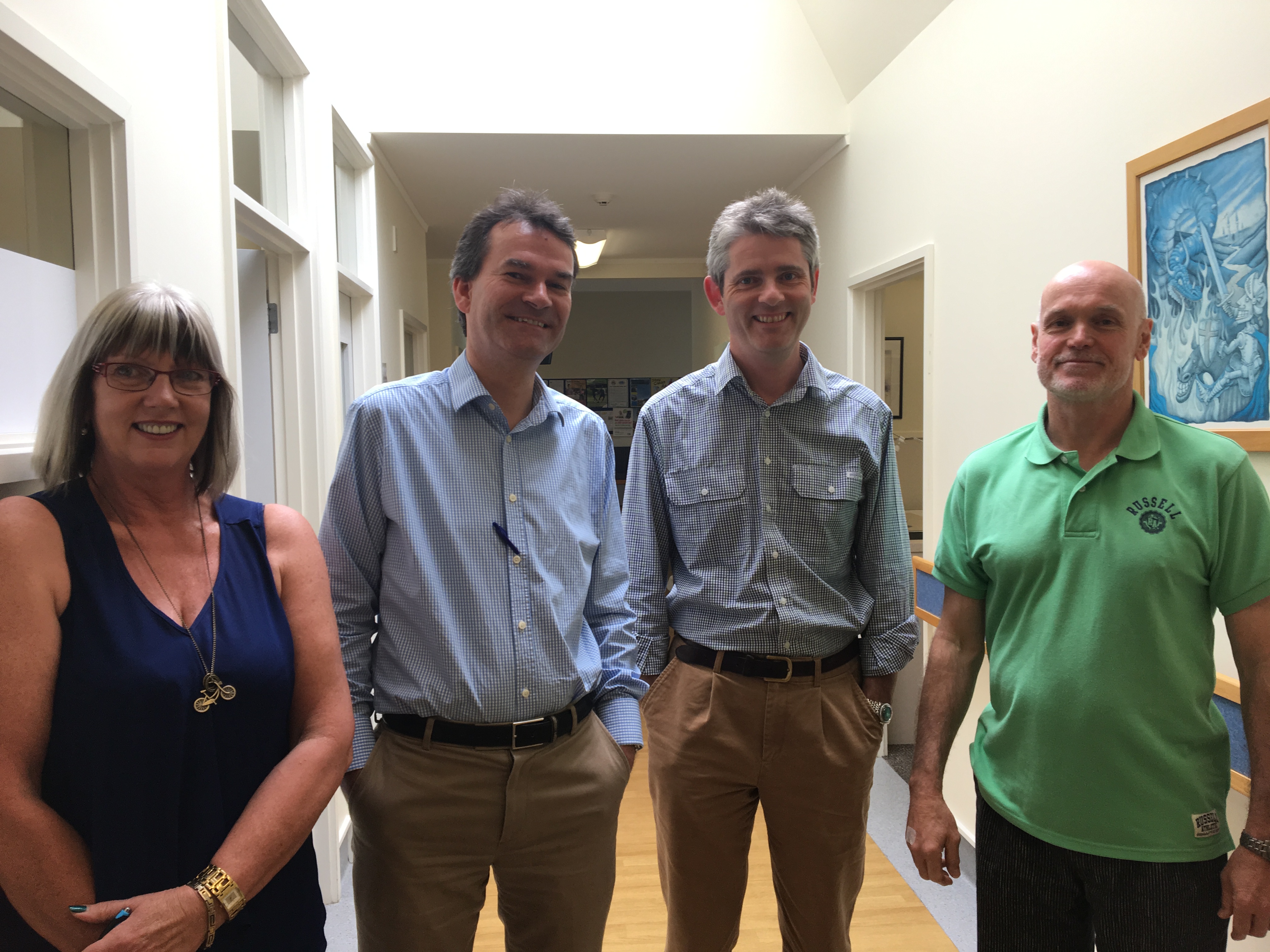
At Inglewood Medical Centre  we met Marie Fonseka, Cees Dekker and Steve Finnigan ( second from the left) – the FIRST GP to put his hand up for moving to the new PMS system INDICI which will create opportunities for true patient centred electronic medical records and an ability to integrate care across the whole of the health and social sector.

img_2189

At Eltham Health Centre we met Anton Westraad – a solo GP who has championed insulin initiation in rural practices – preventing patients from having to travel an hour to Base hospital to meet with a specialist nurse. Anton’s work has been supported by Pinnacle’s Primary Options funding to keep patients close to home when they have issues like cellulitis, DVT , pneumonia, or needing rehydration after gastroenteritis.

img_2191

Gerard Radich and his wife Margot run a solo general practice in Stratford – his dedication to his patients is phenomenal – everyone is informed of every test result, he answers the phones at morning tea time so his staff can have a break – an early demonstration of the benefits of the Health Care Home GP phone triage he finds he can deal with most patients who call during this time without needing a face to face consultation.

img_2170

At Patea and District Community Medical trust we saw fantastic leadership in practice manager Christine Steiner who steers a practice in a very high needs community on the edge of the region in a small coastal town two hours away from Base hospital. The regular doctor Maria Beltran De Guervara was away on holiday when we visited but they provide PRIME services and the nurses truly work at the peak of their scope. img_2213

Karen Caskey ( Practice manager) Duncan Burns, Bill Carteledge, and Brian Wood at Avon Medical Centre are implementing the Health Care Home model of care, enthusiastic teachers with 2 RNZCGP registrars booked to learn alongside them in 2017.

img_2219

GP educator and ex-GP liaison Dr Viv Law of the Family Health Centre in New Plymouth runs the Taranaki Medical Foundation which Pinnacle supports to provide GPs with regular high quality education events in the region.

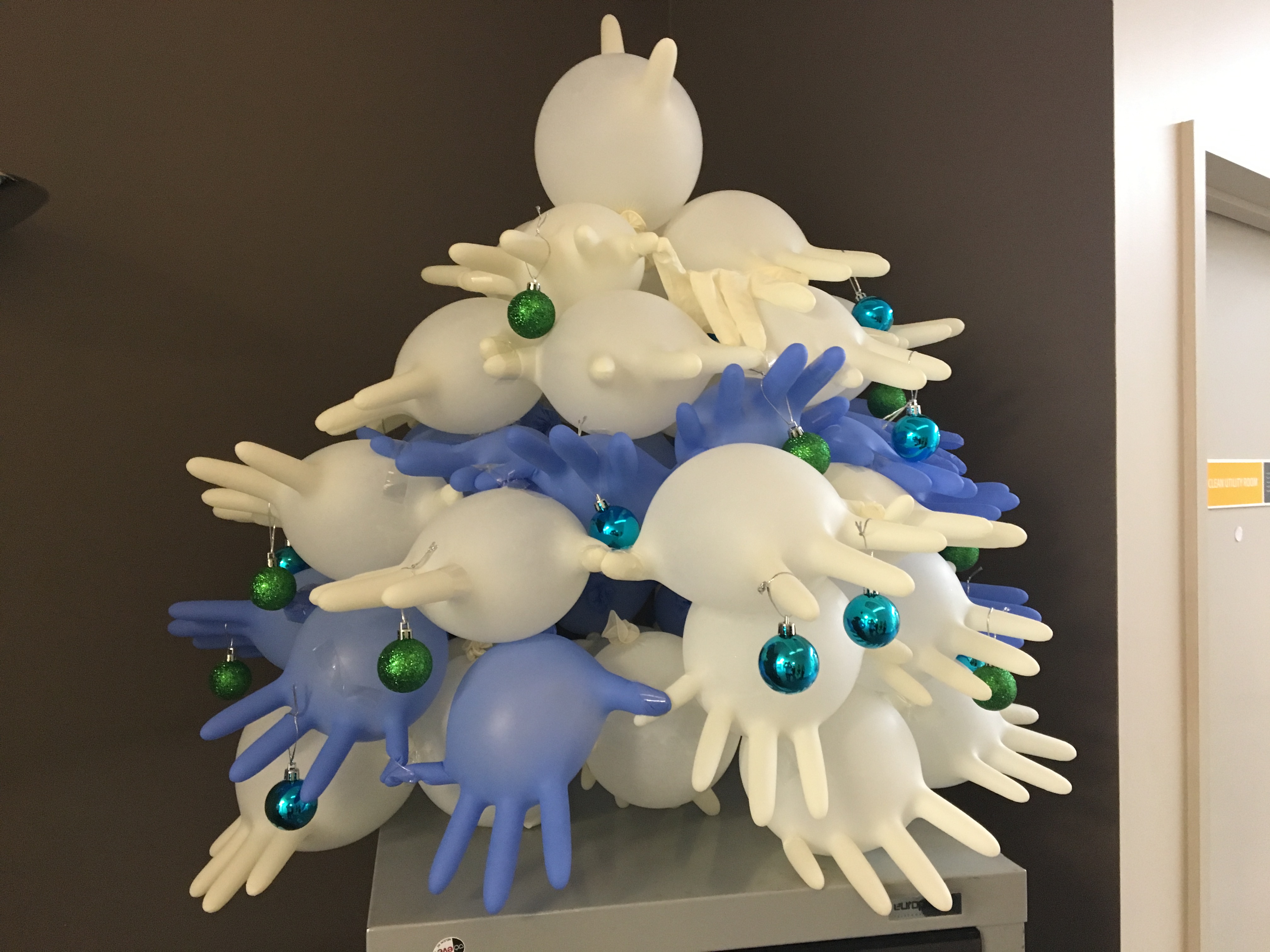
And we saw LOTS of Christmas Trees !!

img_2200

img_2203

img_2178

( Our Favourite !!)  Thanks to Ngati Ruanui Health Care.

So why the low “net promoter”score?

In a meeting with Taranaki CEO Rosemary Clements a group of GPs identified the pressures (and pleasures) of being a solo GP – maybe the need to be “bum up nose down”all the time seeing patients makes them less likely to recommend GP as a career.

The financial pressures on General Practice are worsening year on year – small rural practices really feel the pinch especially if they are Very Low Cost Access and the paperwork involved in managing a practice and compliance costs of meeting regulations and accreditation continue to escalate.

The solution may be to increase the number of training positions in the region for undergraduate and post-graduate doctors and nurses.

Enabling more to be done more simply in primary care through near patient testing and better management of patients as they approach end of life through advanced care planning.

The GP’s in the region discussed the need to change the business model and to look for other sources of funding outside of vote health.

They focused on the need to maintain the current aging work force to be happy and competent for as long as possible so that they as clinicians stay in position whilst new providers are in the pipeline. They also said they wanted a whole system approach to managing patients and look forward to better integration of care across primary and secondary sectors as promised by the Health Action Plan.

Pinnacle’s Mission is to get the best health outcomes for people and their communities and do this by supporting general practice to deliver high quality care.

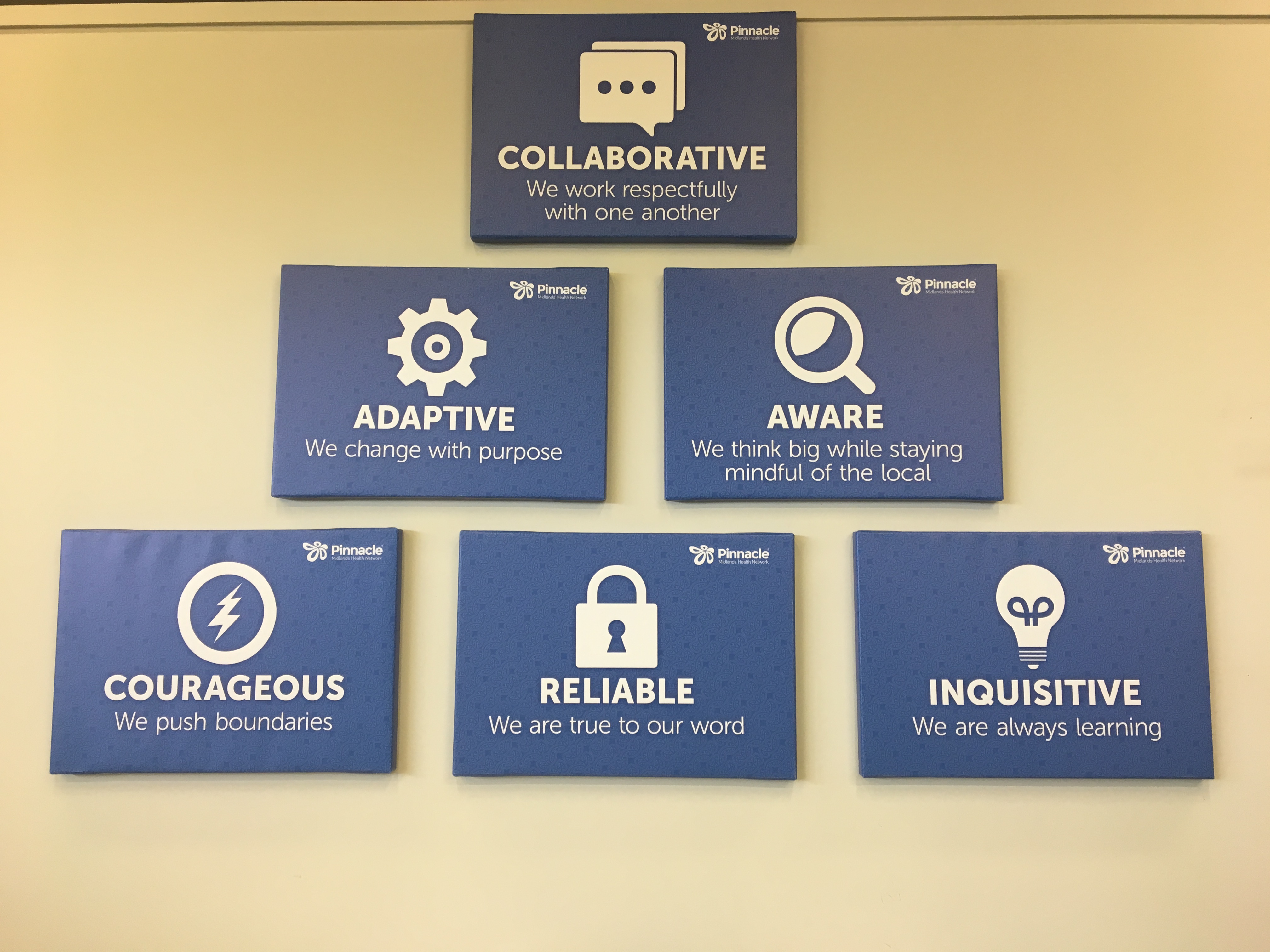
We are collaborative, adaptive, aware, reliable, innovative, inquisitive, courageous and keen to help !

Dr Jo Scott-Jones ( Medical Director) and Nadja Gottfert (GP Liaison and GP Academic)


Church Street Surgery 2016 Strategic Planning

How do you make a strategic plan a living document?

Our last plan 2013-2016 helped us to set values that we have stuck to and remembered for 3 years.

CARE – Compassion, Attitude, Respect and Excellence were linked to the local DHB values – we felt this would align us more closely with the DHB services in our region.

Last time we agreed goals around workplace improvements, process improvements, improved patient outcomes and improved services.

We have achieved a number of these goals and embedded them into our system – we have morning meetings, names on our doors, agendas for every meeting, reduced bad debt, expanded funding streams, and produced quarterly newsletters.

We now have an ecg and defibrillator as we planned, we have reduced waiting times and our waiting list, we have trialled nurse practitioner services and expanded our teaching opportunities.

Several issues we aimed for have not been achieved – we don’t have an USS and in retrospect most of our identified goals were achieved in the first 6 months after the plan was set.  Those we did not achieve were large projects that needed a long term focus – such as reducing teenage pregnancies in the town and running a community awareness programme on gout.

This year our strategic planning process was an opportunity to revisit our team culture and to revitalise our values , to find out what our community think of us and set some short term achievable goals, the start of a cycle of 3 monthly improvement plans.

Executive Summary:

Our New Values

Integrity Compassion Excellence Teamwork

ICE –T


Our Next Goals

Weekly Clinical Meetings

Expand the uptake of MMH – 300 by May 2016

Expand use of technology to educate patients – students to produce a MMH promotion video

Reduce waiting times for patients – expand the doctor workforce

Increase patient numbers to 3600 by May 2016


Detailed Report

VALUES

On Wed March 2nd we closed the surgery for the afternoon and after a shared lunch reminded ourselves of our #my3words for 2016 – a personal values exercise we had undertaken the week before.

For me those values for 2016 are Centre, Connect, Create. I need to remind myself to “centre” and look after myself physically and emotionally, if I can “connect” with others I will be more effective, and I will enjoy life more if I “create” new things.

We then moved onto a values exercise –

The instructions were to silently organise ourselves into a hierarchy of values (we had words posted on our backs) – once we had silently agreed an order we had to then speak to the value we had been assigned and argue for why it should be in our top 4.

We chose

integrity – because without integrity we have nothing

compassion – because you cannot do this job without compassion

excellence – because this encompasses a passion for quality, effectiveness, and great patient outcomes and

teamwork – because we need each other, our patients, and our colleagues to achieve our goals.


COMMUNITY INPUT:

We then headed out into the community to find out the community and patient view of our service:

In pairs we went out into the street and shops and spoke to at least 3 people and asked what they thought the surgery does, what it should do more of and what it should do less of.

We posted the findings on facebook and will continue to reflect on comments we get from our facebook followers.

FINDINGS:

What’s the most important things to you about your health ? Eating properly, keeping fit, lifestyle issues , be healthy for my kids and myself, having support, being well informed, being able to make decisions about your health, mental health, being given the tools to make my own decisions, Knowing my doctor is approachable and knowledgeable Making sure I am trying to help myself, Keeping informed and knowing my options

What are the most important things about a good GP surgery? Showing interest, thorough examinations, approachable, seeing the same doctor, familiarity Having good staff getting an appointment when needed, flexible times, reasonable price, affordable, good communication and openness – never rushed Care about the bigger picture – holistic health Being understood, people who listen On time Appointment availability friendly service Confidentiality

What would you like to your GP to do more of in the next 3 years ? Less waiting times, longer consultation times, after hours, educational sessions – smears and breast screening etc More doctors , after hours clinics. Push the antismoking – clean up the street education Use the whanau ora services to support wider families, one day late night clinic a week, Home visits Develop a formal engagement with the police More follow ups with the hospital – it is very hard to see a specialist Our next exercise was to reflect on these comments – and to use a set of craft materials to develop a model structure that described our ideal surgery in the next 3 years – we broke into two groups and thought about  what we should do more of as a team, what we should do less of as a team, and built our ideal worlds :

The “Whare Waka” model was based on Mason Durie’s Te Whare Tapa Wha model and “The Blue Path” was based on the materials in the box !

The Blue Path

The Whare Waka

The ideal world exercise was fun and creative and it also made concrete our values and started us thinking about the bigger and longer term picture for the surgery.

The videos can be viewed on Vimeo.com

The Blue Path – https://vimeo.com/157862107

The Whare Waka – https://vimeo.com/157812550

Each group then further explored the things we should do more of, the things we should do less of and 3 achievable goals for the next 3 months.

BRAINSTORM :


More of:

  • time availability to interact between staff – we need to be able to see more of each other to discuss clinical cases
  • awareness of how long people have been waiting in the book – protect your time for other patients
  • involvement of reception if the appointment is going to blow out in time
  • planning for unexpected patients.
  • longer opening hours
  • education training for staff
  • doctors
  • MMH – expanding the uptake

Less of:

  • chasing up patients – we can go round in circles chasing up things for patients
  • short staff days
  • bullying from patients
  • phone calls
  • bad debt
  • outstanding debt
  • people not using MMH even though they are signed up

Goals

Increase patient numbers to 3600 by May

Increase MMH numbers to 300 by May

MED students to do a video to promote health

Waiting time improvement.

Clinical time set aside every week

Our New Values

Integrity Compassion Excellence Teamwork

ICE–T

Our Next Goals

Weekly Clinical Meetings

Expand the uptake of MMH – 300 by May 2016

Expand use of technology to educate patients – students to produce a MMH promotion video

Reduce waiting times for patients – expand the doctor workforce

Increase patient numbers to 3600 by May 2016

WE WILL REVISIT THIS IN MAY 2016


Assisted dying – honest, early, hard conversations help. 

Koro was a funny man. Every consultation ended with a joke , jokes that were never offensive, sexist or racist, often stupid, and sometimes overlong but all the same, it was his gift to me after the consultation. Except that consultation. The “bad news” consultation. I told him, and his wife and son, he was dying, and with the rapid changes probably was dying quite quickly. There was no joke. Just tears. 

Over the next two weeks, when I visited him at home he took to his bed, and gradually the house filled up with relatives from all over the country, from far flung parts of the world. We live in New Zealand, so everywhere else is far flung. 

First one tent, then two, then a caravan, and finally a marquee was set up in the garden to house the gathering whanau, here to farewell Koro. Every time I visited there were more people. People singing, dancing, laughing, lots and lots of laughing, and Koro, there in the centre of it all began to worry me. He had colour in his cheeks, he was tired and not eating, but he looked better than he’d done for years. I even thought I’d got the diagnosis wrong, but a blood test assured me I had not. 

The night before he died he asked if he could be left alone with me. and after the family had gone he held my hand and cried. This time tears of joy. 

“Thank you for telling me” he said, “this has been the best time of my life.” 

Every day can be a good day in General Practice if we remember why we do it. 

In New Zealand we answer the question “What is the most important thing in life?” By saying “he Tangata, he Tangata he Tangata” – It’s “the people, the people, the people.” 

Dr Jo Scott-Jones @opotikigp 

Q:What have GPs lost by stopping doing after hours care ? Ans: Being there. 

Take a moment and think of a picture showing a GP at work.

The chances you thought of Sir Luke Fildes 1891 painting “The Doctor.


The picture was inspired by what the artist described as the heroism of Dr Murray, their family GP, who cared for his own first born son when he died.

In the picture Sir Fildes placed the events in a fisherman’s cottage at dawn, to symbolise the beginnings of hope for this family as the child shows the first flickers of recovery.

It became hugely popular with late Victorian society and prints and engravings of it were best sellers at the time, and it remains one of the most memorable images of the work of a GP.

One of the things that strikes you is that the doctor is smartly dressed even thought it is dawn, and he is in someone else’s house presumably at some distance from his own more salubrious residence.

Someone has raced to the doctor’s home, before sunrise, let us assume it was the father. He roused probably the whole household and persuaded the doctor, despite any evident ability to pay other than in fish, to come to his home and see what could be done, what the signs that have been observed by the parents portent.

In 2016 what would this fisherman and his wife do if they lived in New Zealand?

After hours GP services, even in large cities, are as rare as hen’s teeth. Rural services have centralised into regional towns, urban GPs have devolved this care to larger accident and emergency centres that often close at 10.00pm, home visits if done at all, are confined to the dying, and often only undertaken during the working day.

It is extremely unusual to find a GP who is prepared to even answer the phone to a patient after their clinic has closed.

You cannot pay for an ambulance journey with fish.

In 2016 this family would most likely wait it out, see what happened, hope for the best. Like most of the people in poverty they probably don’t have their own car, if they were really worried they might rouse a neighbour,  and take the child to the nearest emergency department of a hospital.

It seems clear what the patients have lost by the inability of our health system to provide after hours GP services, but what has the system lost, and what has our profession lost?

Our small rural town is in the throes of losing our GP after hours service. The vision for the future given by the District Health Board and Primary Healthcare Organisation is one where a nurse and paramedic provide extended hours services until 10pm and the emergency department 45km away provides care from then until the GP clinics open in the morning.

This plan has been driven by the economic fact that after hours care does not make money and the small business model of care we rely on in New Zealand allows GPs to opt out of after hours services at little or no cost. We have also witnessed a dilution of professional ethics and values to the point where some GP colleagues feel justified in closing their doors at 5pm and leaving “emergency  care” to the “emergency” service.

For some of us this national transition has been very hard, and some still stand against the tide of this change like King Cnut.

We have just come to the end of the holiday season when my colleague and I have provided on call services on a 1:2 basis to our community.

Our “emergency” services over this time did deal with motor vehicle accidents, several of them, one involving nine people and three cars ! We were involved in attempting, and failing, to resucitate and new born child.

The “bread and butter” of our service was to holiday makers with hangovers, fishhooks in their skin, people with rashes and infections and worries, lots of them.

I appreciate that what we have done is not sustainable, we cannot keep on working a 1:2 on call roster. It is physically tiring, emotionally draining, and we know that over work leads to poor judgement and burnout.

But what will we lose when we no longer can do what Dr Murray did for Sir Luke Fildes and his family ?

By “being there” during the failed resuscitation, simply being there as a doctor, you provide assurance for the family that everything that could be done was being done.

By “being there” you provide reassurance for the nurses, ambulance officers, firemen and others people supporting and helping that they are doing the right things.

By “being there” you provide the level of expertise, experience and skill to know when to say stop and allow the family to begin to grieve.

At the motor vehicle accidents we saved lives,mint is not exaggerating to say that whilst waiting for the ambulances to arrive we provided essential life support to critically injured patients who would otherwise have died.

For the numerous people  who saw us with their “minor” ailments we saved a 90km round journey and a 4-8 hour wait in the emergency department to see a doctor, and we helped them enjoy their holiday.

When we stop providing after hours care as a profession we lose some of the respect we rightly hold in the eyes of our community, we lose the skills we have acquired to help people survive, we lose the excitement and thrill of providing essential care, we lose the satisfaction we get in a difficult job well done, and we lose some of the sense of professional pride we hold when we defend the role of the GP from those who still see it as a lazy, money grabbing, easy ride.

What does our system lose?

I think this is yet to be seen, I think “the system” hopes it will be cheaper, but  I don’t think the system will gain much in terms of cost savings.

Someone has to do the work. Someone has to be trained to “be there” in the same way. The need for care is not going away.

In the UK it seem they are struggling to reinstate the seven day a week GP service. Costs and workforce issues make it really hard to put back in place what you once had, but good luck to them.

We will work in our small rural community in 2016 to make the best of what we have, to provide the best service we can for our community, in our community. I don’t think we will be doing a 1:2 on call next Christmas, but I do know that whatever services we have in place, there will be a GP involved.

We are too important.

We need to “be there.”

4th Year Medical Student placement in Opotiki, New Zealand.

We have just finished our first experience for a long time with a 4th year student,  Tea Williams.  We thought the experience worth sharing as a good example of a positive experience of undergraduate exposure to rural health albeit a short one.

The Auckland University in New Zealand has just reinstituted a 2 week rural GP placement for 4th year medical students. The curriculum goals are broad – their experience is supposed to give them an idea about the issues faced by health care providers and patients living in rural communities.

Our goal was to expose him to as much of the rural community here as we could to get a feel for the place a rural primary care centre takes in the provision of health care to a community.

His first day was aimed at understanding the patient experience – he shadowed a patient from the waiting room through the consultation, sat with our reception staff, and accompanied a patient from the treatment room to the Whakatane hospital by ambulance. Later in the week he saw a patient on a home visit, admitted to Opotiki hospital and after investigation and management of her hip pain, returned to her home.

We also aimed to expose him to the wider primary care team and arranged sessions with the local optometrist, pharmacist, district nurses, Whanau Ora providers, ambulance crew, and physiotherapist – he accompanied them on home visits and on a day long journey up the East Cape delivering medicines.

We wanted him too understand the risks and challenges of a lived experience in a rural community and arranged for him to spend a day with the Vet – he helped castrate several horses apparently, and he was also taken by truck and helicopter into the remote East Cape bush where he helped with “deer retrieval” – he can now gut a deer in about 5 minutes he tells me – a skill he never thought he would learn in his life.

We need to thank the various health providers and community members involved who were very willing to share their time freely to support Tea and us.

They gave Tea a unique exposure to rural health issues that we hope he will reflect on in whatever future career role he has in medicine.

We think this broad experience and open ended curriculum for 4th year students has a lot to commend it to others – a positive experience of a rural community goes a long way to opening the mind of young professionals to the idea of living and working rurally at some future point in their career.

Perhaps Tea will maintain and improve his deer gutting skills – you never know !

There follows a copy of his reflections on the experience and some photographs he took along the way…

Jo Scott-Jones

Reflections on the 2 week 4th Year Rural Placement at Church Street Surgery, Opotiki.

By Tea Williams.  June 2015.

The mention of rural health tends to evoke the extremes of opinion amongst the modern medical student. On the one hand there are those sure-set on a career practicing as far as possible from the big cities and on the other the medical student who shivers at the thought of leaving the comforts of the urban metropolis.

Admittedly my initial thoughts on rural health leaned towards the latter. Being a born-and-bred Auckland boy I was unsure what to expect coming in to my rural general practice attachment in Opotiki.  Would I have to milk a cow before indulging in my morning flat white? Did I need to review my notes on leprosy? Would there by WIFI?

Prior to this placement I was not naïve to the unique challenges around the provision of primary health care in a rural setting. We learn in medical school about geographic isolation and limited access to resources and services, but for me the real implications of these issues were not understood until undertaking this placement.

In my first taste of rural health I can gladly say that I gained valuable insight into what rural health means for me and changed the way I will practice medicine and interact with patients in the future, especially with regard to my three lessons in rural health.

First lesson in rural heath: Isolation matters

The extent of geographic isolation faced by rural communities could not have been more evident than during my trip down the East coast with a pharmacist, delivering medicines to family homes, dairies and service stations as far as Cape Runaway. Coming from the city it was quite a foreign concept that one may have to drive two hours to a GP clinic for a consult or a repeat prescription and I really gained an appreciation for what isolation means in terms of healthcare provision.

Similarly, on a trip 3000ft up into the mountains on deer retrieval I saw first-hand how occupational hazards in a rural environment differ from those of the city. The office related back-pain and osteoarthritis of the typist now gave way to the bovine tuberculosis of the hunter and the compound fracture of the helicopter marksman.

Second lesson in rural health: The GP is not the only healthcare provider

Coming from the larger urban hospitals it is very easy to lose track of where medicine sits in the spectrum of healthcare. For me it was vital to see how the GP fits into the wider community and how each facet of healthcare works together to provide a comprehensive primary health service.

I initially thought the attachment would consist of me sitting in on consultations, taking a blood pressure here and a flu jab there, perhaps a ride in an ambulance if I was lucky, fortunately this was not the case. Whether it be sanding down the excess skin of hyperkeratosis with the podiatrist, diagnosing keratoconus with the optometrist, or discussing sexual health and rheumatic fever prevention with the school nurse, I gained valuable experience in all the cogs of the rural health machine.

With the growing burden of chronic disease and the ageing population I think this integrated model of primary health care is essential.

Third lesson in rural health: Innovation is key to success

It became apparent to me on this placement that the unique health challenges faced in a rural community merit equally unique and innovative solutions. Telehealth is a programme used at the practice whereby on-call rural doctors can see and talk to their patients in real-time over video. For the rural communities this means improved after hour’s access to clinicians. Furthermore the GP’s at the practice are involved in the PRIME (Primary Response In Medical Emergency), which involves accompanying the ambulance services to assist in emergency situations. I was fortunate enough to assist in an emergency call-out during my attachment and witness the process from initial call-out through to booking up a follow-up appointment.

The whole my short stint in rural health proved to be a serendipitous one. The myriad of opportunities presented to me in Opotiki were one of a kind and the empirical knowledge gained along the way was priceless and will serve to make me a better doctor when 2017 finally rolls around.

I would like to thank Jo and Lailani and fantastic team of nurses and administration staff at Church Street Surgery for their hospitality and for providing me with the invaluable experiences along the way. The patients of Opotiki are in great hands with such a dedicated, innovative and progressive practice.

Tea Williams

IMG_5993 IMG_6003 IMG_6024 IMG_6040


GPs Using Social Media

The first time you log on to Twitter  – just remember 12 words.
(First published in NZ Doctor May 2015)

One of the main risks of social media is healthcare professionals leaving a gap for others to fill

Although I don’t have the latest iPhone, I confess to wanting one: I am a technophile. I joined Twitter in 2008, initially out of simple curiosity, but it has become an important part of the way I keep records of activity, make notes during conferences and stay connected with colleagues around the world.

Tweet

Twitter, Facebook, Google+, LinkedIn, YouTube and various blogging sites like WordPress – most of us are aware of them, and many use them for personal and family connections. But there is a rapid growth in online social media use by doctors, which is worth exploring, if only because patients are already way ahead of us.

As of January 2014, 74 per cent of online adults used social networking sites, 71 per cent used Facebook, 23 per cent used Twitter, 28 per cent used LinkedIn, 40 per cent of smartphone users accessed social media sites from their phones, and 72 per cent of internet users said they have looked online for health information in the past year (1).

Most people looking for health information start at a search engine like Google, with only 13 per cent saying they begin at a health-specific website like WebMD (2).

Unfortunately, much of the information found is unreliable, alarming or, at worst, harmful. Visit the Facebook page for the Australian Vaccination Network for a bleak view of what online healthcare information can look like (3).

Key Tweets

Drug companies are well aware of the potential of an online presence to disseminate information. Companies produce attractive “patient information sites” that are effective, because patients who visit a drug–brand website are more likely to request a drug by name, and 44 per cent of the time a doctor will prescribe that brand of drug.

View the rather frightening video produced by Life Healthcare Communications for more statistics, and a chilling indication of what drug companies see as the leverage they can get out of being connected online (4).

Twitter has much to offer GPs

Medical online enthusiasts suggest we need more GPs to be online and engaged in social media to help increase access to good-quality health information, to meet the clear need people are expressing for online medical support, to help to stay up to date with medical information, news and medical literature, and to share ideas and information with peers (5).

Platforms like Twitter can be used to:

• share high-quality information with colleagues and the public (@nejm #FOAMed #FOAM4GP)

• hold online conversations about clinical and educational issues(@FMChangemakers #woncarural)

• hold online journal club discussions (@PHTwitJC)

• engage in political debates about medical issues (@NZMAchair)

• link with like-minded colleagues (@countrygps @ruralhealthnz)

• take part in regular, scheduled “tweet chats” about issues of importance or interest (#hcsmanz #FMchangemakers)

• follow conferences you cannot attend in person (#woncarural2015)

• use for personal interests (@bbcdoctorwho@hobbitmovie).

But there are risks online

The Royal College of General Practitioners in the UK published the Social Media Highway Code in response to the need for guidance from health professionals about these new tools in patient and healthcare communications – the code is comprehensive (6) .

The Mayo Clinic puts it into 12 words: don’t lie, don’t pry, don’t cheat, can’t delete, don’t steal, don’t reveal (7).

I would add: first, you save yourself.

It is easy to remember and to apply;

Don’t Lie – not lying is good policy anyway, but particularly online. Where a fleeting mistruth in conversation can be hopefully forgotten, online it is searchable forever.

Don’t Pry – Looking for and sharing personal data online is to be avoided in general, but particularly in health where trust in confidentiality is fundamental to the doctor–patient relationship.

Don’t Cheat – We are all vulnerable to inflating our own self-worth, and plagiarising other people’s ideas without reference is very easy to do online (and in New Zealand Doctor articles),

Can’t delete – Once a reputation has been gained for being loose-tongued (or keyboarded), for  stealing or cheating, it is very hard to overcome.

Don’t steal – Don’t take other people’s ideas and present them as your own , link back to the sources if you think they are worth sharing and avoid cheating or trying to “game” a system online.

Think before you post a message online, as once it is sent it cannot be deleted – the Mayo clinic suggests asking yourself three questions:

• who is the audience?

• is this post appropriate for people of all ages?

• does this post add value to the on-going conversation?

First – You Save Yourself – be proactive with social media but be slow to be reactive. Clearly, we all like to think before we speak; thinking before we post is even more important.

Having said this, the greatest risk in social media is not being part of the conversation – it may not be the place for you personally, but accredited, responsible, qualified medical professionals need to be increasingly involved.

Our patients are looking to use this way of communicating and accessing information; if we are not there to inform people, quacks, snake-oil salesmen and pharmaceutical companies are only too keen to fill the gap.

We need to drive the conversation online, and be open to new ways of connecting with our patients and getting high-quality health messages across.

For further advice, Ko Awatea has a great guide for first-time users on how to log on to Twitter (8).   Follow me on Twitter @opotikigp, search for Church Street Surgery on Facebook and follow this WordPress blog “Don’t shoot..” and have fun!

Ref :
1. http://www.pewinternet.org/fact-sheets/social-networking-fact-sheet/
2. http://www.pewinternet.org/fact-sheets/social-networking-fact-sheet/

3. https://www.facebook.com/avn.living.wisdom
4. https://www.youtube.com/watch?v=WnmCvj0mxYA
5. http://www.kevinmd.com/blog/2013/03/twitter-doctor-4-reasons-twitter.html

6.  http://www.rcgp.org.uk/social-media

7.  http://network.socialmedia.mayoclinic.org/discussion/a-12-word-social-media-policy/

8.  http://koawatea.co.nz/media/how-to-use-twitter/